


Winemaking
Explore Pennsylvania’s mix of traditional and innovative winemaking through insights from local winemakers throughout the state.
Pennsylvania is the 5th largest producer of wine in the United States and has a mix of European grape varieties and North American hybrid grape varieties, both of which thrive in the diverse landscape you can find throughout the state. We speak to 3 winemakers to discuss their individual terroir, how they choose what grape to plant, and what they do in the winery to express their individuality.
To see how theory meets practice, we posed questions to three local voices, each working with different sites and scales. Their answers reveal the diversity behind Pennsylvania wine.
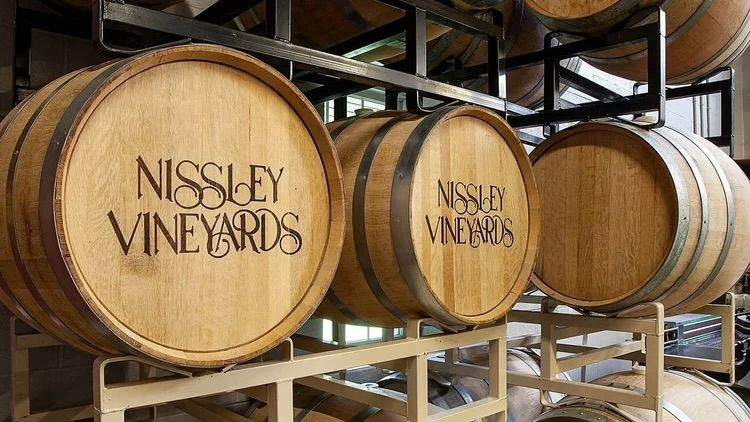
What makes your vineyards unique in terms of climate/soil/topography/terroir, and how is this reflected in your wines?
Lancaster Valley gives us a distinctive combination of warm valley-floor growing conditions, limestone-influenced soils, and rolling terrain that supports good air movement and dependable ripening. That translates into wines with both fruit and freshness. We see that especially in Chardonnay and Cabernet Franc, which can show real flavor development while still retaining the natural acidity and structure that keep them vibrant. Over the past 10 to 20 years, a warming climate has also helped red vinifera achieve more consistent ripeness here, including Merlot and Cabernet Sauvignon grown in Lancaster County. At the same time, hybrids like Seyval Blanc, Vidal Blanc, and Chambourcin remain an essential part of our identity and continue to thrive in this region.
How do you choose which grapes to plant and what challenges/opportunities do you have?
We choose grapes based on what can make excellent wine here consistently. That means continued confidence in vinifera varieties like Chardonnay and Cabernet Franc, and increasing opportunity for locally grown Merlot and Cabernet Sauvignon as warmer growing seasons have improved ripening. It also means respecting the value of hybrids, which are still incredibly important in Pennsylvania. Varieties like Seyval Blanc, Vidal Blanc, and Chambourcin are well matched to our conditions and help us produce wines that are both distinctive and reliable. Our philosophy is simple: work with varieties that truly belong here and let the site speak through them.
What do you do in the winery (from harvest to bottling) to ensure your unique place is expressed in the glass?
In the winery, our goal is to preserve site character rather than cover it up. We harvest for balance, not just sugar ripeness, and make cellar decisions that support freshness, texture, and varietal character. That is especially important for Chardonnay and Cabernet Franc, where we want to capture both ripeness and energy. We take the same thoughtful approach with our hybrids, treating them as serious wines with their own strengths and place in our portfolio. From harvest through fermentation, aging, blending, and bottling, the focus is on expressing Lancaster Valley in a way that feels authentic to both the region and to Nissley Vineyards.

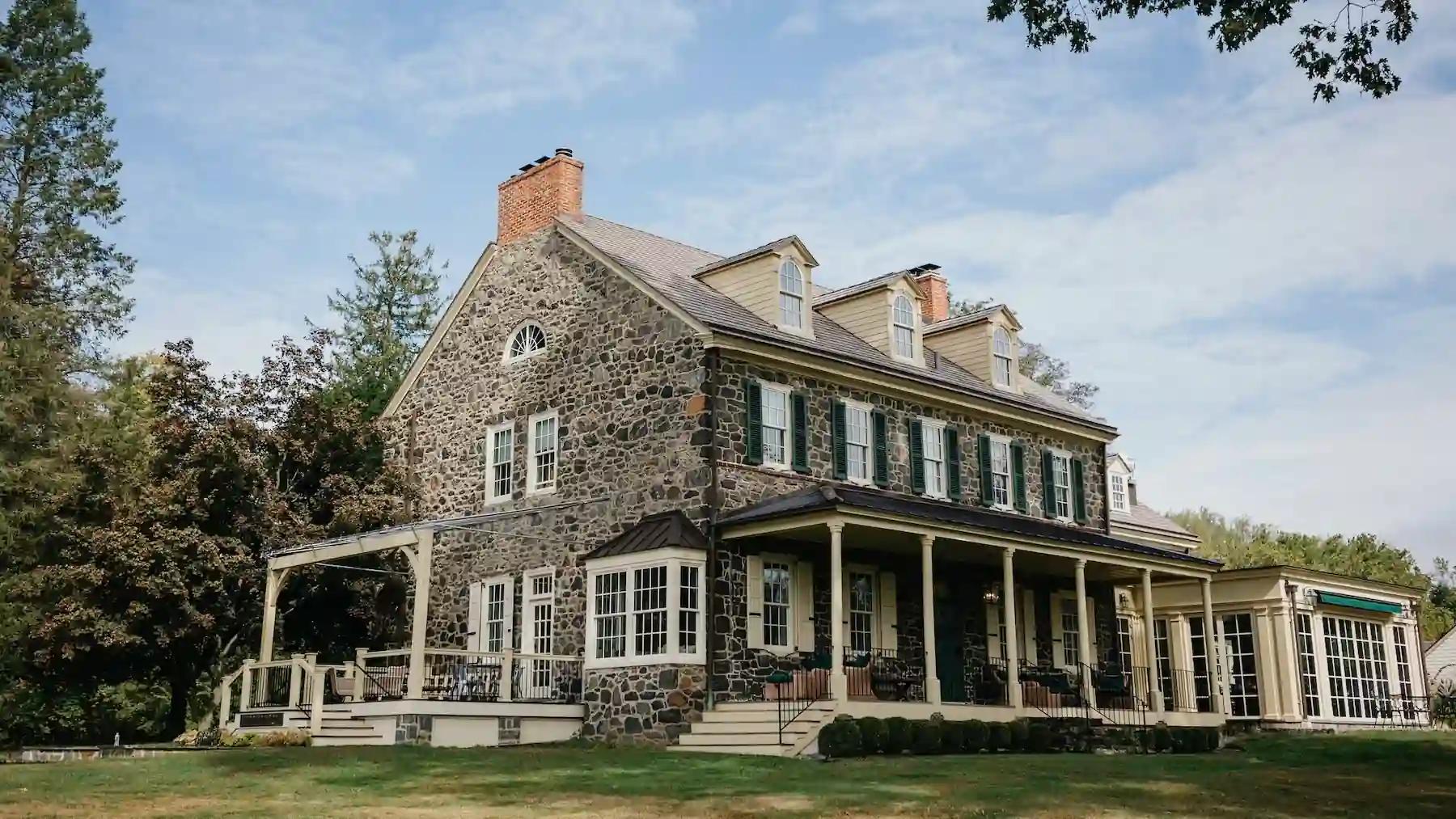
What makes your vineyards unique in terms of climate/soil/topography/terroir, and how is this reflected in your wines?
The geology here is notable in a regional context. Our soil is Gladstone gravelly loam. Formed from granite and gneiss parent material, the same geological family as the hillside vineyards of France's Northern Rhône.
Much of Pennsylvania wine country sits on Triassic red shale or limestone, so the crystalline basement rock at this site gives our wines a mineral tension that reflects our location in the Piedmont. The site sits at 340 feet with a low gradient slope in the Northern Piedmont foothills, earlier soil warming in spring, and a canopy environment that dries quickly after rain.
The climate is more complicated than it might first appear. Our raw growing degree days run high as summers here get genuinely hot. However, vines shutdown above 86°F (30°C), warm nights, and humidity all reduce the effective ripening capacity to something closer to the warmer Loire sub-regions.
The practical result is sugar accumulation typical of a warm climate but flavor development and acidity characteristic of a more moderate one. The high potassium in our granite soils challenges us every vintage because it drives pH up and acidity down. But understanding that pattern over multiple vintages has made our approach more proactive than reactive.
How do you choose which grapes to plant and what challenges/opportunities do you have?
The starting point is the effective growing season, not the raw heat accumulation, but how the site actually ripens fruit. Because our effective GDD aligns with the warmer Loire appellations, we planted varieties that perform best there: Cabernet Franc, Chardonnay, Sauvignon Blanc, and Pinot Gris, with Merlot rounding out the red program. These varieties are built for moderate, long-ripening climates where elegance and structure matter more than power. Cabernet Franc in particular belongs here the way it belongs in Chinon and Bourgueil, and it expresses the earthy, savory character of our site better than any other red we've grown. The hot summers are a variable we manage rather than a feature we advertise, and choosing the right varieties for how this site actually functions is the foundation of everything. The challenges are real. Low nitrogen in our fruit is a consistent issue. Our estate vines chronically fall below the thresholds where yeast performs optimally despite a very healthy biomass. Therefore, we pay close attention to nitrogen management in the vineyard and during fermentation every year. The high potassium signature in our granite soils means pH management is a year-round consideration, not just a harvest decision. The opportunity is that these constraints force precision. A winemaker who learns this site develops a granular understanding of it that can't be shortcut.
What do you do in the winery (from harvest to bottling) to ensure your unique place is expressed in the glass?
It starts with harvest timing. We're not chasing Brix targets. We're harvesting for flavor development and acidity. Our granite soils and moderate climate reward patience, and picking too early or too late both cost you something you can't get back. We sample frequently in the final weeks, tracking taste, pH, and acidity in parallel rather than treating any single number as the trigger.
In the cellar, the philosophy is restraint. Our barrel program is dominated by neutral French oak because we want the wine to speak, not the wood. New oak is used selectively and only where the variety and vintage can absorb it without losing its identity. We ferment our whites cool and in stainless where the variety calls for it. We use MLF and lees aging on the Chardonnay to build texture without masking its character. For reds, we're managing extraction carefully. We want structure and color without overwhelming tannin, which means monitoring maceration length by taste rather than by schedule.
I bench trial everything before committing; acidification additions, fining agents, oak levels. The high potassium in our fruit means tartrate stability requires more attention here than at most estates, and understanding that pattern over multiple vintages has made our cellar decisions more proactive than reactive.
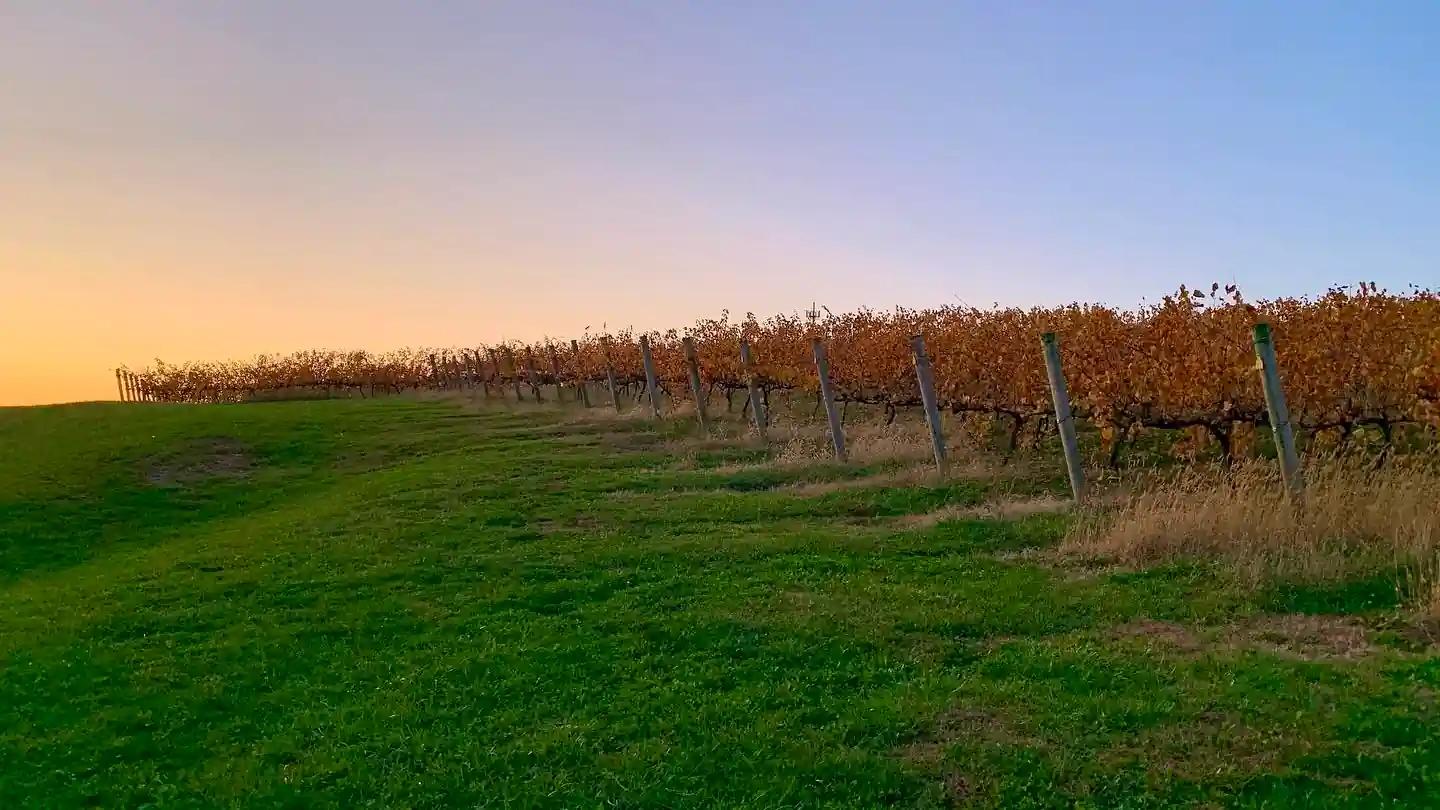
What makes your vineyards unique in terms of climate/soil/topography/terroir, and how is this reflected in your wines?
We are located in the Middle Susquehanna Valley at a latitude of 41 degrees and an elevation of 500 feet. This is about 100 miles south of the Finger Lakes and 100 miles north of Gettysburg. Our growing conditions reflect this location.
We are a little warmer than the Finger Lakes and a little cooler than Southern Pennsylvania and Virginia. The ridges and valleys of this region are oriented from east to west and we occupy a southern slope close to the Susquehanna River.
Our soils are deep and well drained with a silt clay loam composition. We rarely see drought stress and the vines are vigorous and resilient.
Our season is long enough to ripen red wine grapes and cool enough to grow flavorful white wines.
How do you choose which grapes to plant and what challenges/opportunities do you have?
We chose our grape varieties based on climatic records, regional choices, and a test plot with different varieties and root stocks evaluated for 8 years. I think we closely resemble European conditions found in Hungary, Austria, Germany, and cooler regions of France.
We chose white varieties of Riesling, Gruner Veltliner, and Pinot Grigio. Our reds are Pinot Noir, Lemberger, and Saperavi. We could grow Cabernet Sauvignon, Merlot, and Cabernet Franc but they wouldn’t ripen fully every year.
We chose Saperavi to fill the niche of a hearty deep red wine that is unique. We share the climate and pest challenges that all Eastern US vineyards have but our site and varietal choices allow us to manage these and grow grapes to their full potential.
What do you do in the winery (from harvest to bottling) to ensure your unique place is expressed in the glass?
The Fero philosophy is that the wines are made in the vineyard. Our winemaking style is designed to reflect the characteristics of each vintage.
There is flexibility in our varieties allowing us to make white, rosé, sparkling, and red wines. We can harvest at the optimal period of ripeness with our machine harvester and use traditional wine making methods.
Reds are fermented in open top containers and barrel aged for 2 years. The whites and rosé are bottled in one year striving for crisp acidity with pleasant aroma and soft pallet. We have 15 vintages of experience, and I have to say that the 2025 season was amazing.
